A year ago I was stuck trying to read 『また、同じ夢を見ていた. I was painfully looking up many words in a separate app, and because that was a miserable experience my progress was very slow. I began to wonder if I would ever be able to read it, or anything.
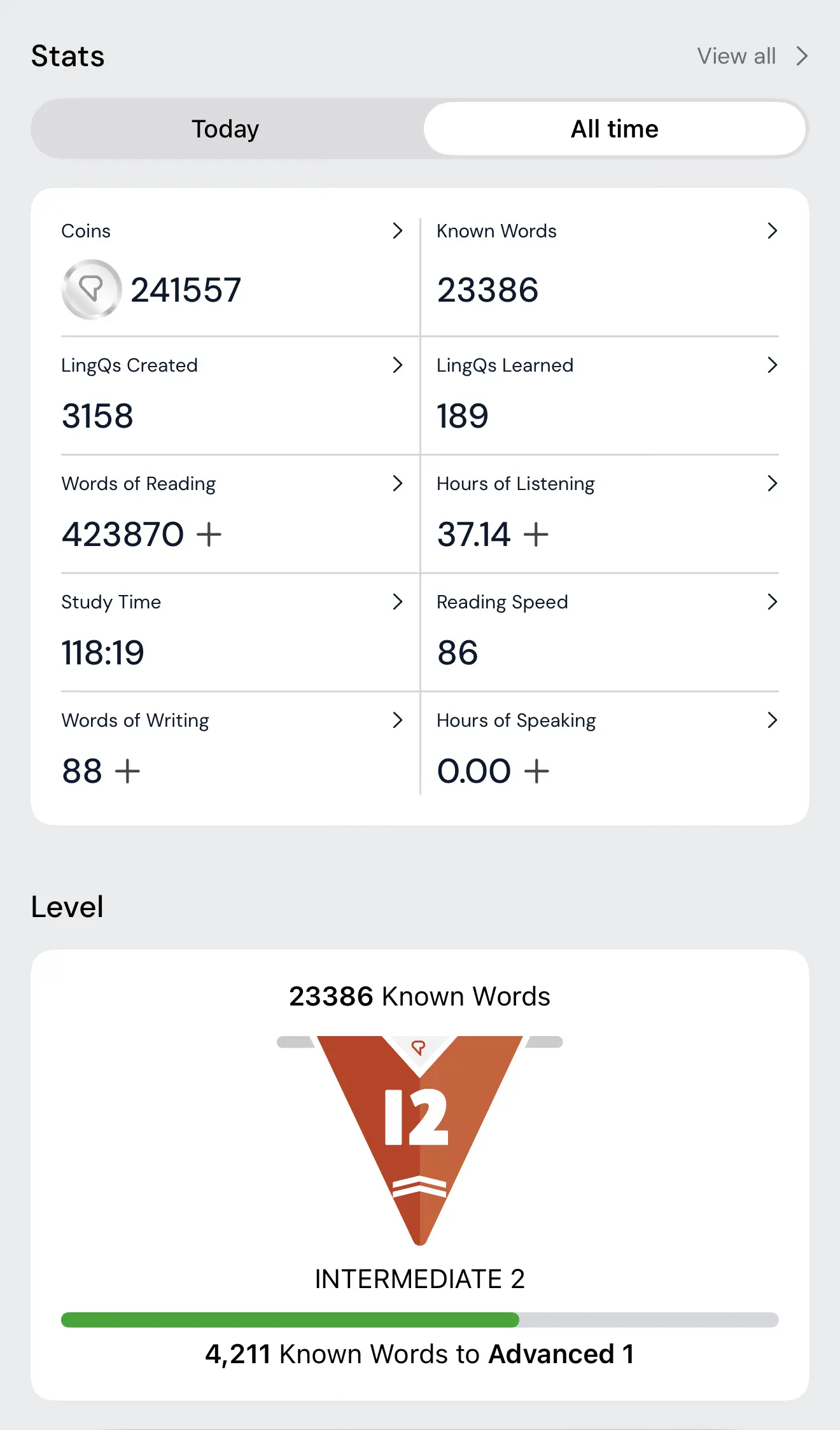
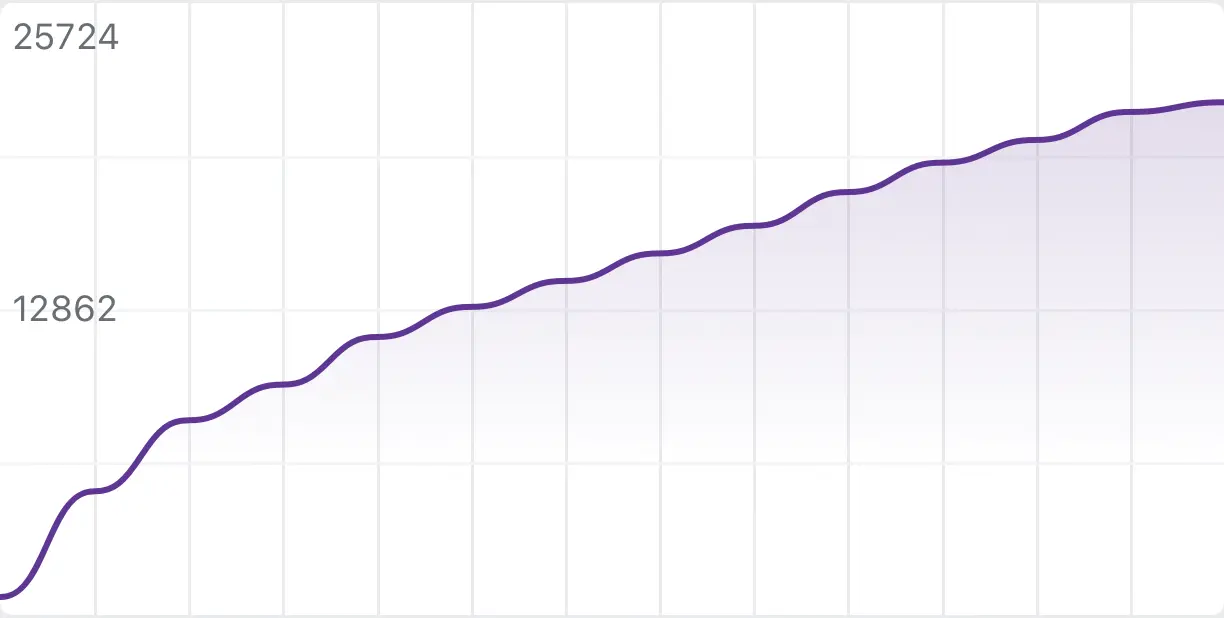
I have finished it now. I have also read 『コンビニ人間』 and 『時をかける少女』 all the way through, and I am a good way into 『コーヒーが冷めないうちに』. Alongside the books I have listened to, and read the transcripts of, more than 300 episodes of Japanese with Noriko: Season 1.
The useful change is not the list. I can get through a lot of text now without stopping. Songs will sometimes come through as a whole verse, occasionally a whole track. I have watched a few dramas outside any app; depending on the subject they are followable without subtitles. Japanese television in the background is a mixed bag. Adverts I understand most of. A news programme or a proper show still varies wildly depending on the topic.
Something has also happened with kanji I have not seen before. I will get a sense of the meaning, and sometimes the reading, without being able to say why. The first time I saw 霊柩車 I somehow correctly guessed the pronunciation — I have no idea how, other than the final kanji.
The method was not complicated. I used LingQ and Anki for daily practice. LingQ can export a list of words you do not know. I have an LLM turn those into definitions and example sentences, and then I import into Anki, and that is the queue I actually drill. Most days I listen to one or two podcast episodes. On days where I commute I tend to read several pages of the current book I’m reading instead.
I am a bit of a completionist, so when I first got the app I went through all of their mini-stories in about a week. They’re quite good if you’ve already had some exposure to the language, and they progress in difficulty.
After a year the app clearly works. I do not have a long list of complaints — though there are a few niggles:
- Words that wrap are easy to miss. If a single character sits at the end of a line and you tap slightly wrong, you turn the page, and every unknown word on the page you just left is marked as known. You can fix it at the end of the lesson, but you shouldn’t have to — and for books the end of the lesson can be quite some time away.
- Segmentation is not always clean. Sometimes a whole fragment of a sentence is treated as one word, and it is not obvious whether to discard it or mark it known — but either way I don’t want to mark it as unknown and pollute my wordlist with sentence fragments.
- Podcasts with a transcript will occasionally drift. The highlighting loses the audio, and if the transcript ends a minute early the audio just dies. You have to find your place again. Infuriating, but rare — definitely not a deal breaker for the value I gain from it (but if you’re reading this LingQ engineer — please fix 😅).
If I were starting the year over I would read more. It takes longer but the gains are larger. The podcasts are easy to keep doing, and they clearly did something, but the books are where really huge improvements are made. Would I recommend LingQ? Yes. The progress speaks for itself.
Firstly, let me wish you a happy new year! I hope that this will be the greatest year so far.
I spent New Year’s Eve with my wife, and we made it to the top of a nearby hill from which we saw the fireworks for all of London. The spectacle was all around us, so it was a little bit magical.
The next day I woke up with a cloudy head and so I did not do much, but I did see that Japan House was selling lucky bags (福袋). I had heard about the concept a few times, so I was interested in getting one for myself.
Japan House offered their bags in three sizes / price points. I got the largest.
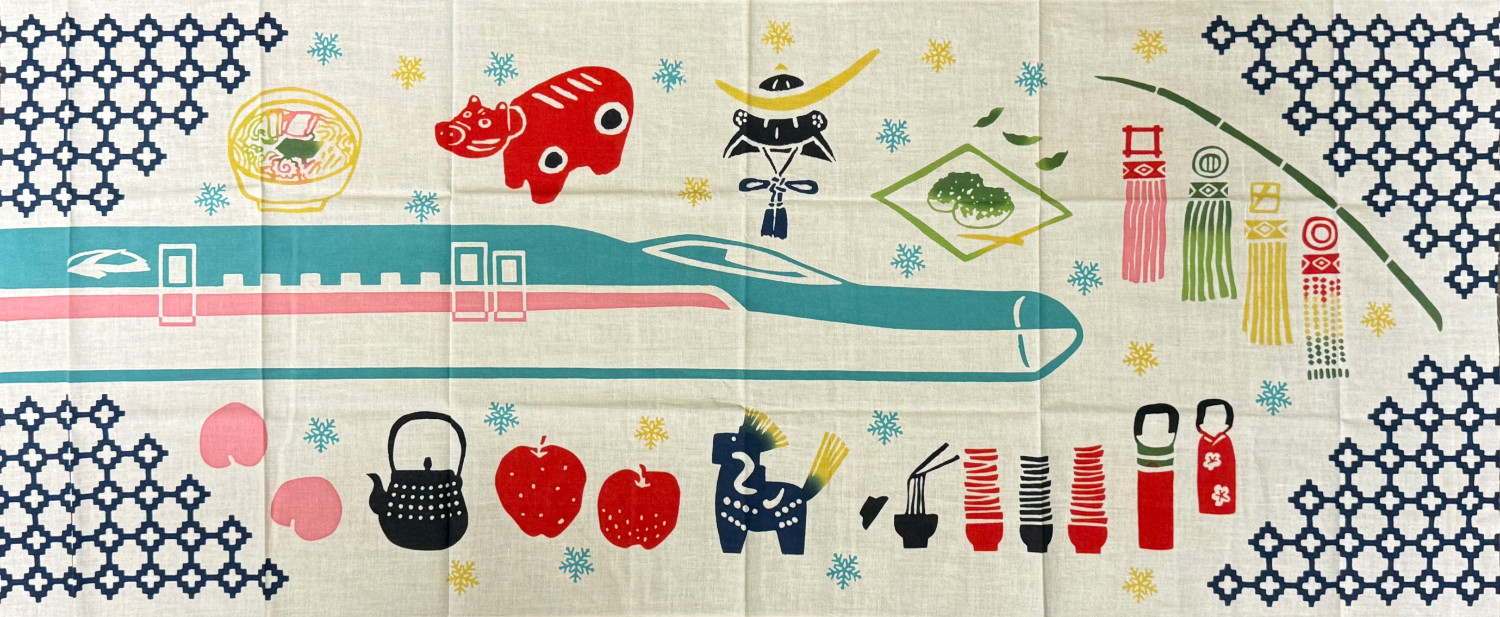
The first item I got was a traditional hand towel (pictured above), known as a tenugui. It features a design from Trainiart with illustrations focused on the Touhoku region. I have some homework to do if I want to discover why each of the illustrations were chosen.
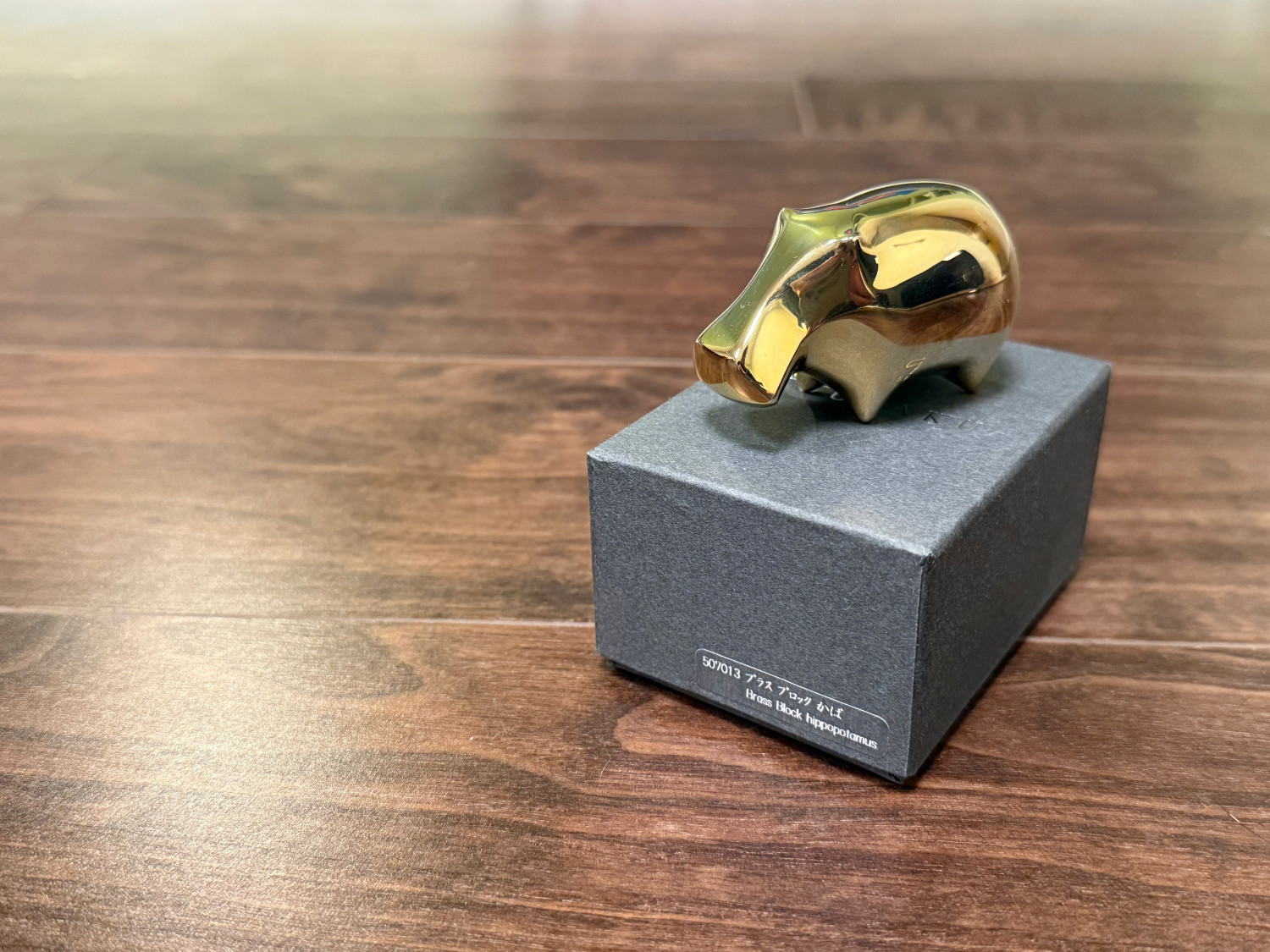 The next item is the star of the show. It is a solid brass figurine of a hippo hand polished to a mirror finish, designed by Mitsumasa Kokubo for Nousaku. It has a satisfying weight and an alluring quality that makes it impossible to not pick up and smudge with fingerprints.
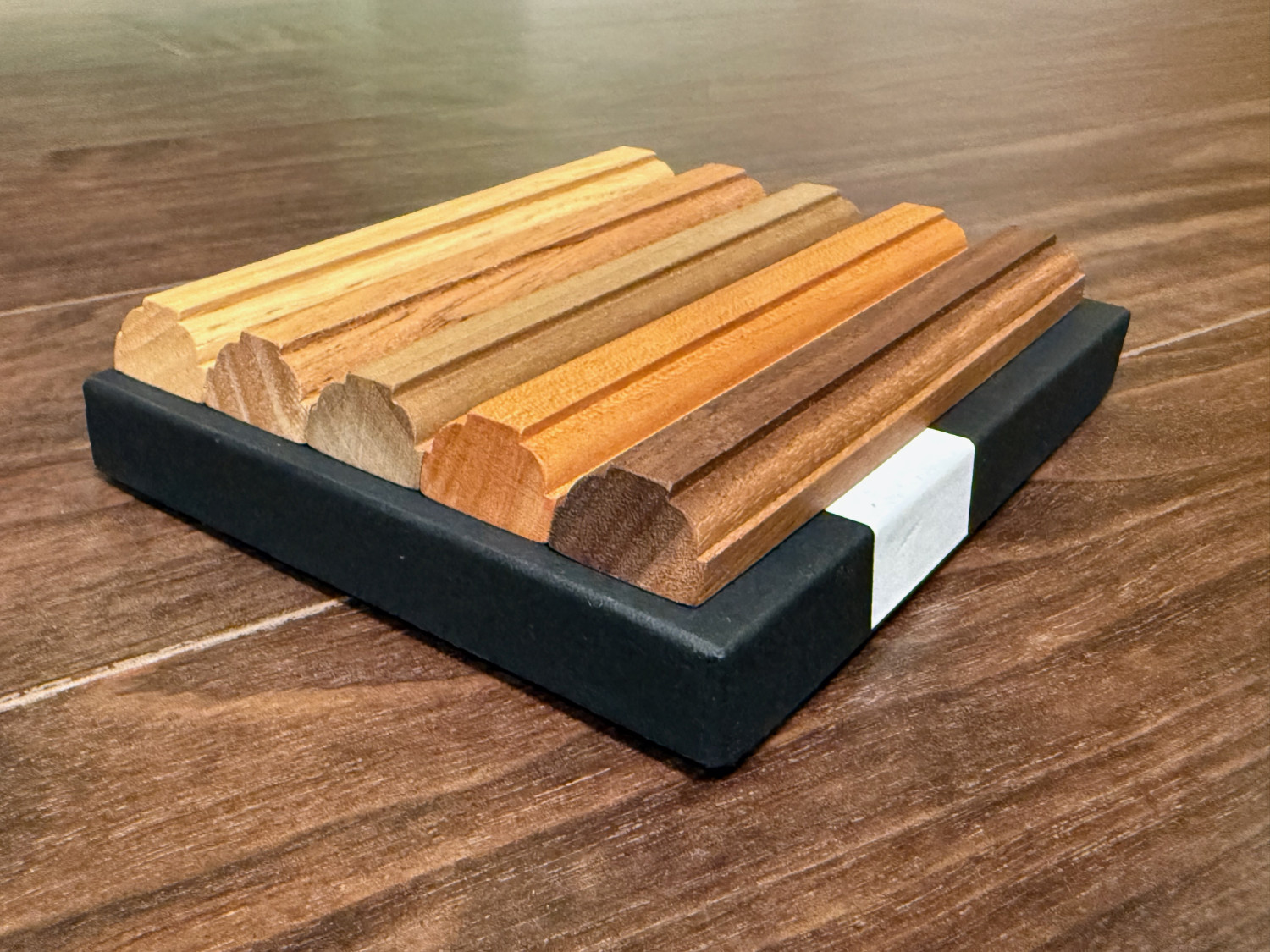 This was the hardest item to find information on. Initially I thought they might be wood samples but after some digging I found that they are cutlery rests from ‘Arts Craft Japan’ — a furniture maker in Takayama, Gifu. They supposedly invoke the feeling of the nearby city of Hida and after viewing some photos I can see a connection.
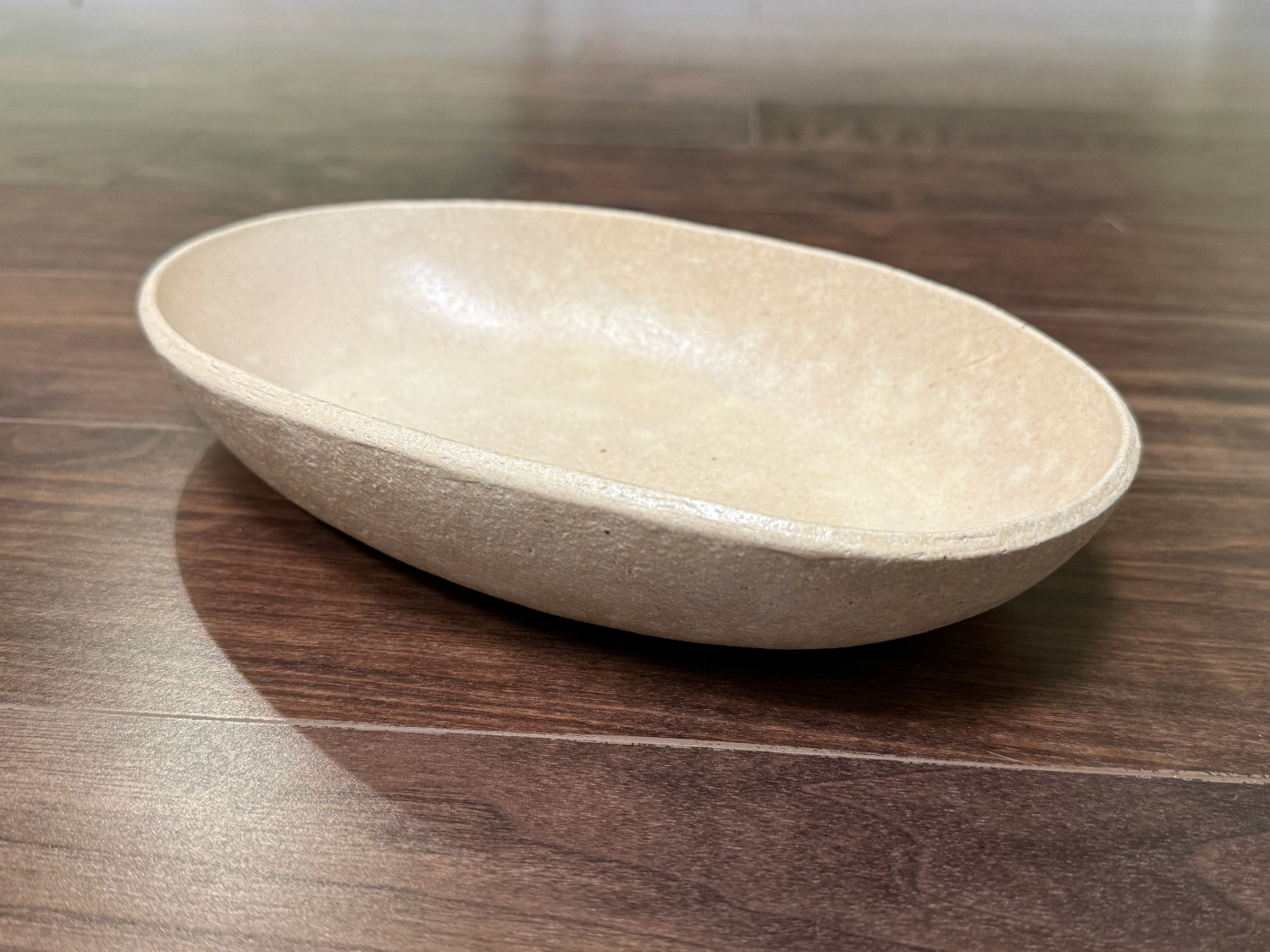 The largest item in the bag was this large-ish bowl. It has a rough texture. At first I thought that I might use it as a fruit bowl, but I think it may be a little too small. I hope that I might find a use for it.
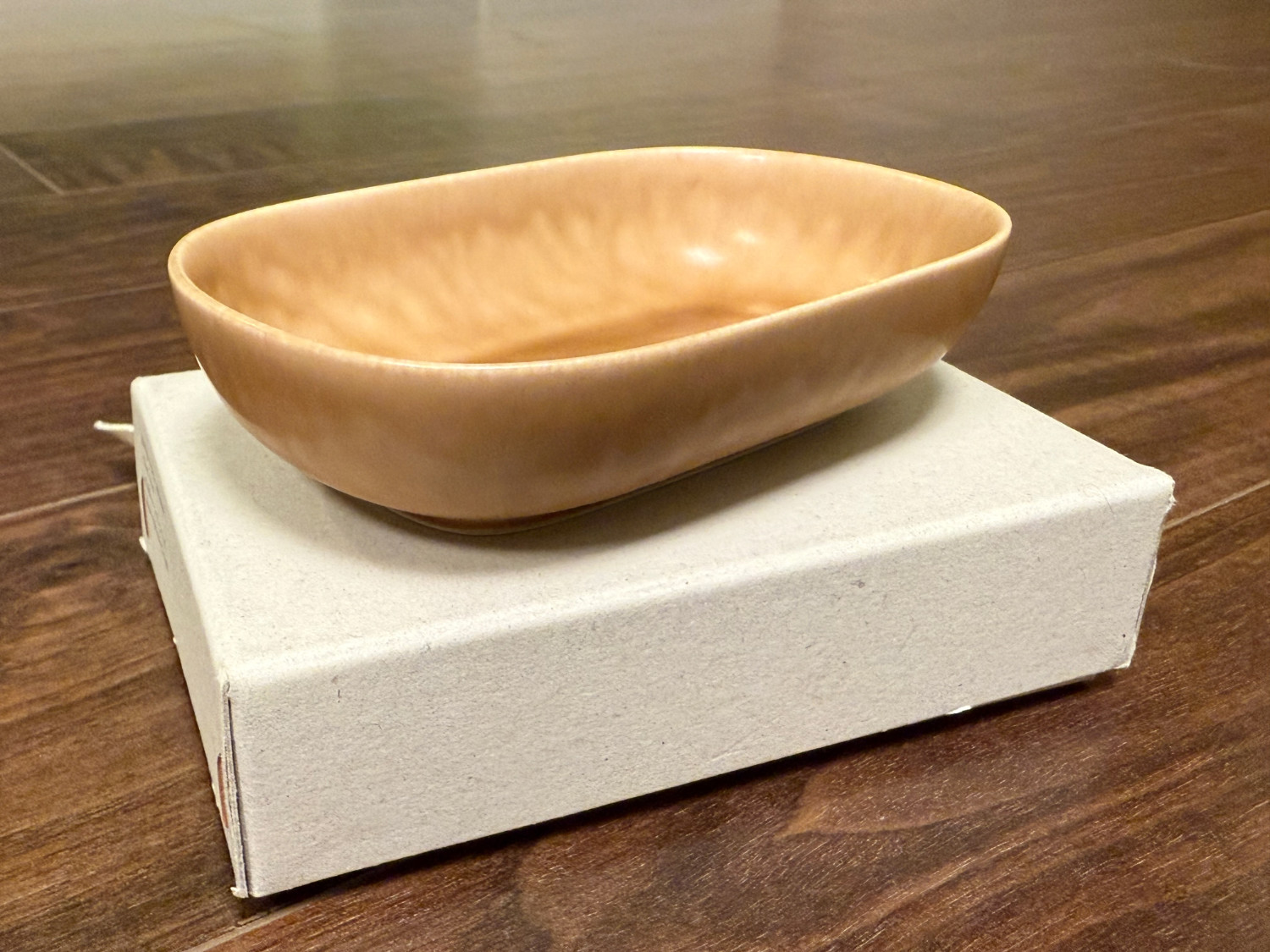 There was also a small bowl, this one is around the size of a soap dish and has a very smooth texture. It also has the effect of looking blurry in real life.
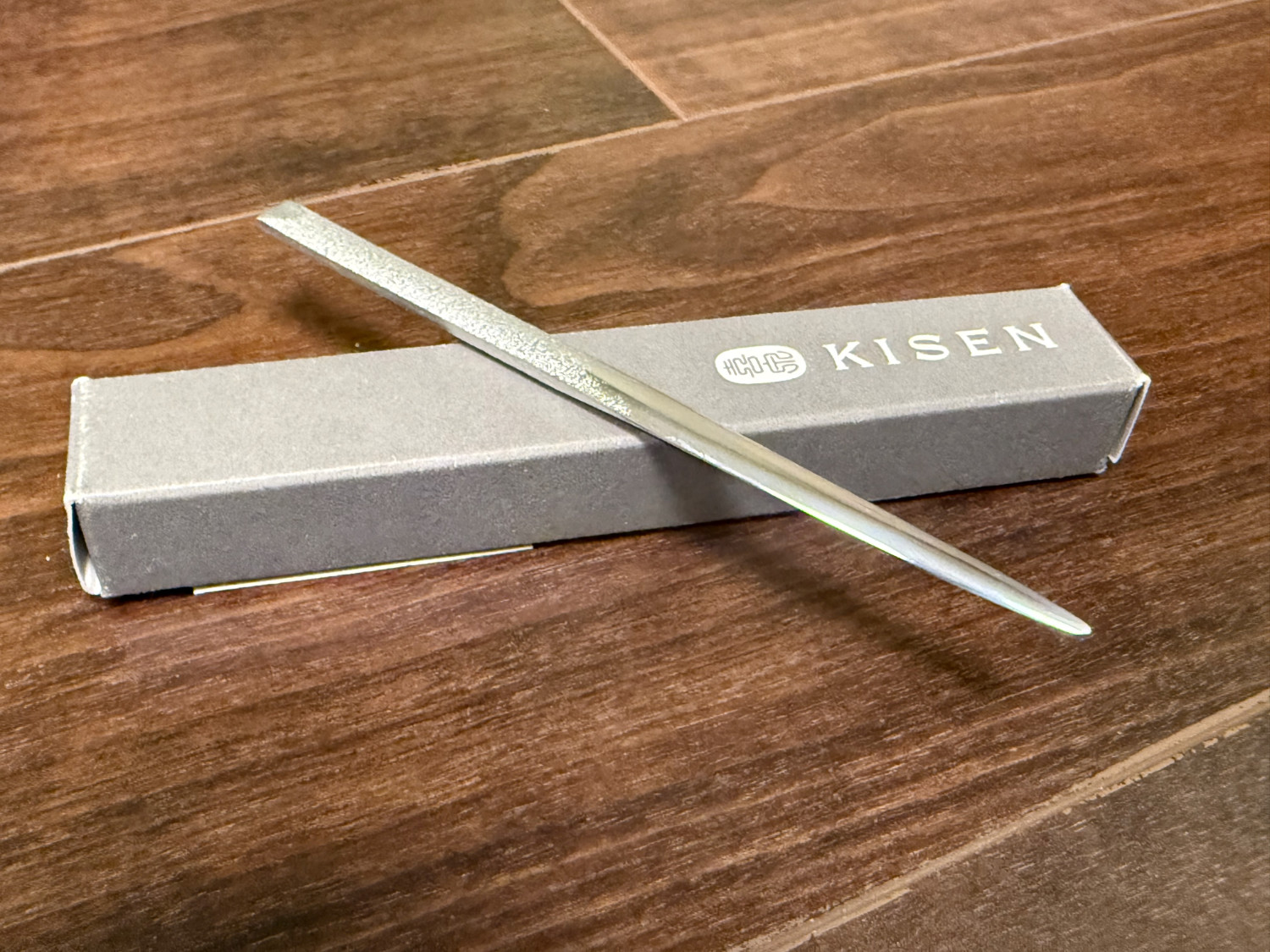 This is a fork for eating wagashi, traditional Japanese sweets. It is called Tsurara, is made by Kisen, and is made from aluminium. The handle is a little rough which helps to prevent slipping.
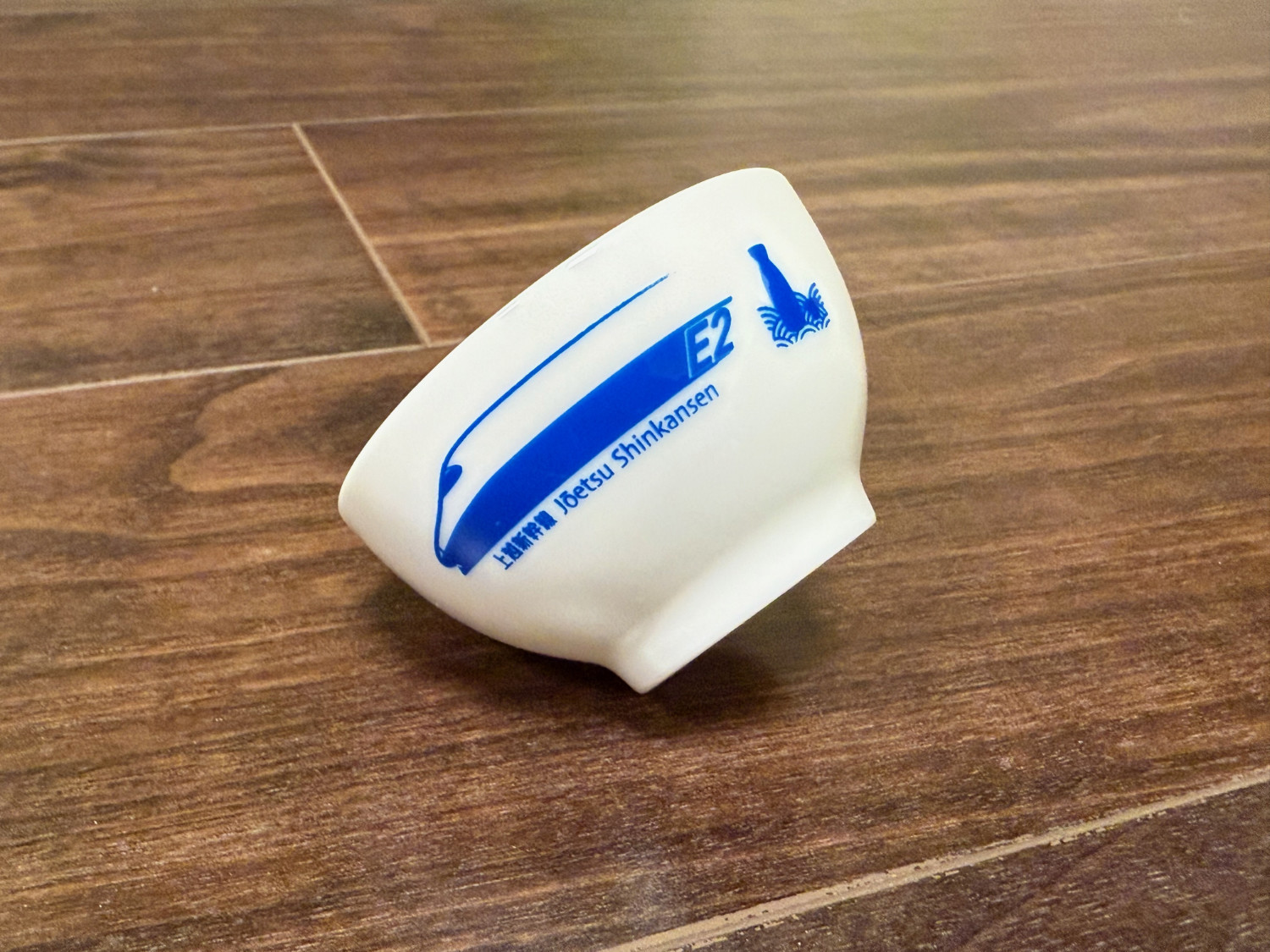 This is a cute sake cup with a Shinkansen illustration and pairs nicely with the tengui.
I managed to find prices for everything apart from the cutlery rests. It looks like the contents of the bag are discounted from list prices by at least 60%. I am generally utilitarian minded, and I wouldn’t buy one outside of new year, but it was a lot of fun to get lots of surprise nice objects. I might be tempted to get one next year too!
If you want to buy one for yourself, then you can still buy them from their online store (until they run out I suppose). You can also visit them on Kensington High Street. Again, no idea when they will run out but they are usually worth a visit anyway.
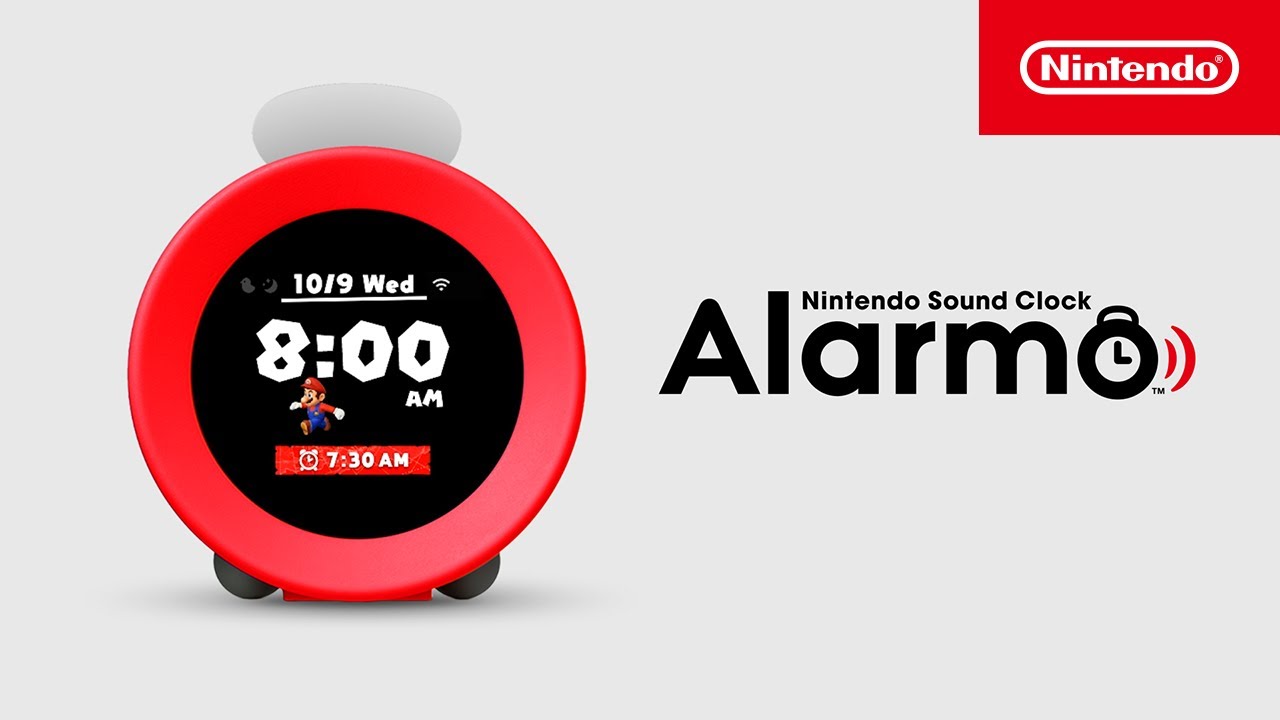
Yesterday, Nintendo announced their latest device — an alarm clock. You can watch the trailer if you’re interested. In short, it’s a small alarm clock that sits on your bedside table and wakes you up with the music from various Nintendo video games.
It has some form of radar / sensor that detects stirring as you begin to wake up and plays sound effects from the selected game. Functionally useless in the age of smartphone alarms next to most bedsides, it does at least bring some fun in an age where gadgets are usually boring. I really wonder what the chain of meetings inside Nintendo HQ looked like for this to be released.

I recently finished reading Unreasonable Hospitality by Will Guidara, which details his career through the hospitality industry. While the book’s central idea is that the unreasonable levels of hospitality demonstrated at Eleven Madison Park can be applied to any business, the true charm rests in the stories and lessons the book has to offer.
Unreasonable Hospitality is filled with ‘legends’ where through extreme thoughtfulness and resourcefulness they exhilarate their diners with simple, bespoke gestures — such as running out and plating a hot dog for someone who is spending their last day in New York and had not gotten the opportunity to enjoy one. With good sense they then systemise many of these gestures that could apply more broadly, such as offering to top up the meter for any guests parked close by.
The next and more practical lesson from the book is the indefatigableness demonstrated each time a set back is encountered. They came last in the top 50 best restaurants — many would settle to be in the top 50, others would wallow in despair but instead with self-control they confidently identify their faults, improve on them and come back stronger each time. By coming last and improving themselves they built something better for both guests and staff — an example for us all.
While I would not expect this to change your world, there is a lot of wisdom to collect here for those who seek it and there is additional intrigue if you also work in hospitality. I recommend this book for anyone looking to improve their approach to delivering their product — whatever their product may be.
At a young age, a passing comment by a family member about its strength-to-weight ratio captured my imagination and led to a fascination with titanium that persisted into adulthood. Unfortunately titanium is not frequently encountered in adulthood. When Apple announced the latest iPhone 15 Pro, which has an outer band crafted with titanium and comes with a natural titanium colour, my curiosity was naturally piqued.
I eagerly acquired the iPhone 15 Pro 256gb in natural titanium on launch day. As I unboxed it I was struck by two observations. First, it felt noticeably lighter than its predecessors — beyond its stated reduction in mass. Second, the natural titanium colour imbued the device with a ‘tool-like’ quality — it exuded a sense of purpose, more like a crafted tool designed for productivity rather than a device for entertainment. The material and colour would be a great match for the Apple TV remote, for example.
The camera improvements are subtle, but discernible. Most notably, portrait mode now operates automatically on regular photos — all you need to do is snap away, and then you can apply portrait mode filters afterwards. Additionally, the main camera now offers a range of focal lengths that you can alternate through without sacrificing image quality — a welcome addition for those preferring a 35mm focal length.
In terms of performance, I measured a roughly 12% improvement over the iPhone 14 Pro. While current everyday tasks will not fully exploit this power, the new tranche of AAA games making their way to the iPhone will. I am mostly looking forward to trying out the new Assassin’s Creed title, and the prospect of console-grade gaming on an iPhone a-la-Switch could breathe new life into the mobile gaming sector.
Finally, the biggest outward change is the action button, which replaces the traditional mute switch. Its versatility is a potential game-changer. The action button lets you trigger an action on your device when it is pressed, the very nicely 3D rendered UI for selecting the action gives you a range of basic options such as muting, opening the camera, toggling a focus mode — but the most powerful option is the ability to launch a shortcut. I currently have mine setup to streamline task management, reminders, and manually logging health data.
Summarising, the iPhone 15 Pro is a solid, albeit incremental improvement and as such it is undoubtedly the ‘best iPhone ever’. The changes in material, and the addition of the action button subtly shift your perception of the device as you use it away from entertainment, and towards utility. It will be interesting to see if this silent nag will have any long term impacts in how people use their device.
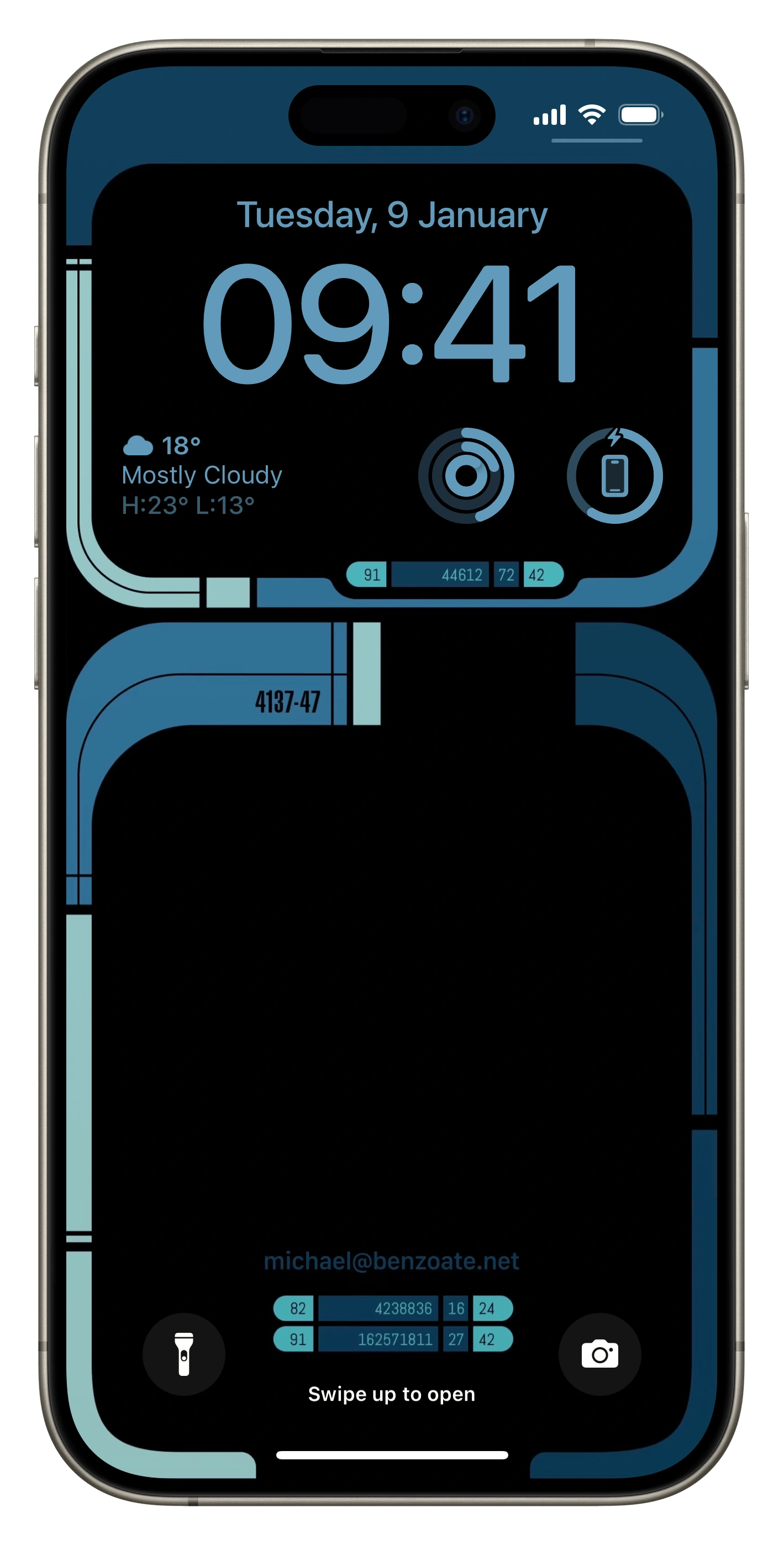
The best tricorder ever.